Smeaton is a rare name: around 1,500 people in Britain carry it. It comes from a handful of Yorkshire and Scottish villages, it belongs to the man who invented the job title ‘civil engineer’ a few miles from where Dad was born, and to a young musician who lost his head at the Tudor court.
A word of honesty before the history. The name is ours; the famous people below are not necessarily our ancestors. John Smeaton the engineer had daughters only, so his surname died with him, and nobody has yet traced Dad's line further back than his parents, Albert and Lillian, in Leeds 7. What follows is the story of the name itself: where it comes from, who made it famous, and what we actually know about our own family. Every section links to its sources.
Hero image: the Eddystone Lighthouse, Photochrom print c.1890s, Library of Congress, public domain.
Smeaton is a place-name surname. It comes from Old English smiþa tūn, ‘the farmstead of the smiths’, and the early spellings bear that out: Great Smeaton appears in a Durham manuscript of the 960s as on smiþatune, and Kirk Smeaton is Smedetone in the Domesday Book of 1086. Anyone called Smeaton was once ‘the person from Smeaton’.
The first recorded bearer is Henry de Smithetone, in the county of Edinburgh in 1296. A John Smeton paid the Yorkshire poll tax in 1379. The name has always had two heartlands: East Lothian and Edinburgh on one side of the border, and Yorkshire on the other. Variants include Smeeton, Smeton and Smieton.
Sources: SurnameDB, British Surnames, Wikipedia: Great Smeaton
John Smeaton was born on 8 June 1724 at Austhorpe Lodge in the parish of Whitkirk, east of Leeds, the son of a Leeds attorney. He went to Leeds Grammar School, was sent to London to learn the law, disliked it, and with his father's blessing became a maker of scientific instruments instead. He was elected a Fellow of the Royal Society at 28 and won its Copley Medal in 1759 for proving, with model experiments, that an overshot waterwheel is far more efficient than an undershot one.
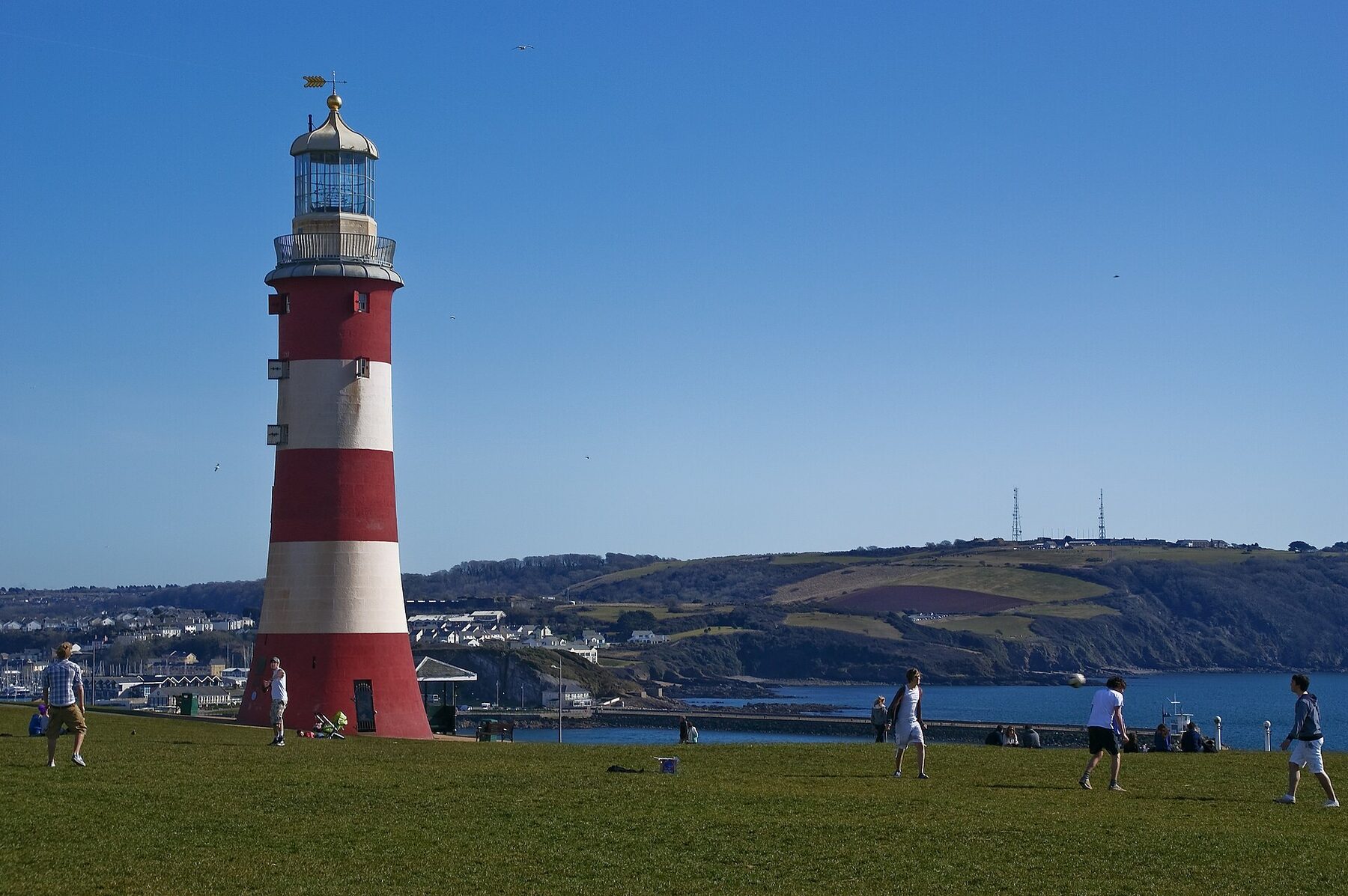
His great work was the third Eddystone Lighthouse, fourteen miles off Plymouth, built between 1756 and 1759 from interlocking dovetailed granite blocks set in a lime mortar that would harden under water. It stood for 120 years and, when the rock beneath it began to give way, the tower was taken down and rebuilt on Plymouth Hoe, where it still stands as Smeaton's Tower. It was on the back of the British penny from 1860 to 1894.
He went on to build the Calder and Hebble Navigation, the Forth and Clyde Canal, Perth Bridge, Coldstream Bridge, Ramsgate Harbour, and the viaduct at Newark that carried the Great North Road across the Trent floodplain. He doubled the efficiency of the Newcomen steam engine, designed the pumping engine for the docks at Kronstadt in Russia, and fitted a diving bell with an air pump. He coined the phrase ‘civil engineer’ to distinguish his work ‘for the public good’ from that of military engineers, and in 1771 founded the society that still bears his name, the Smeatonian Society of Civil Engineers.
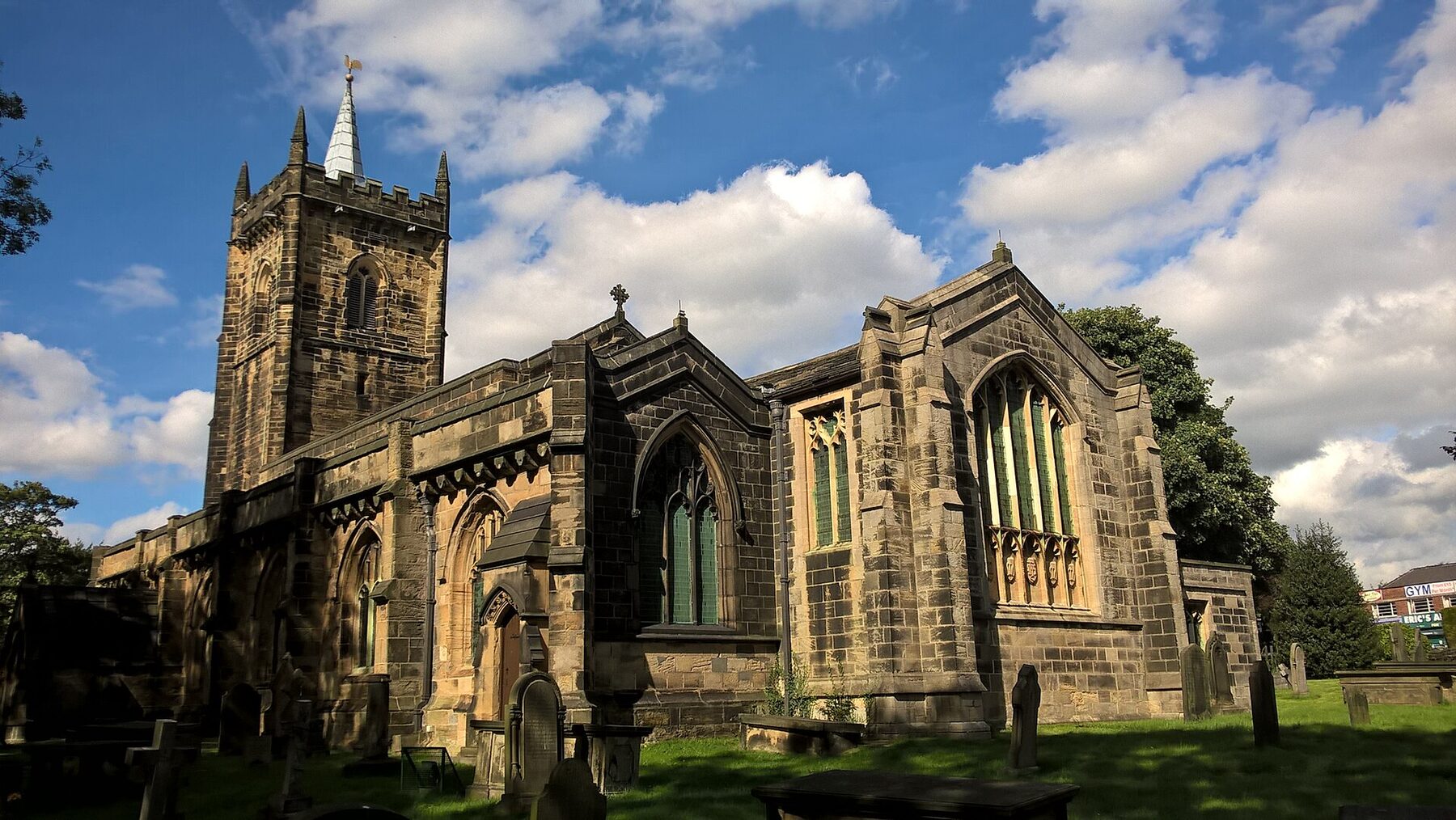
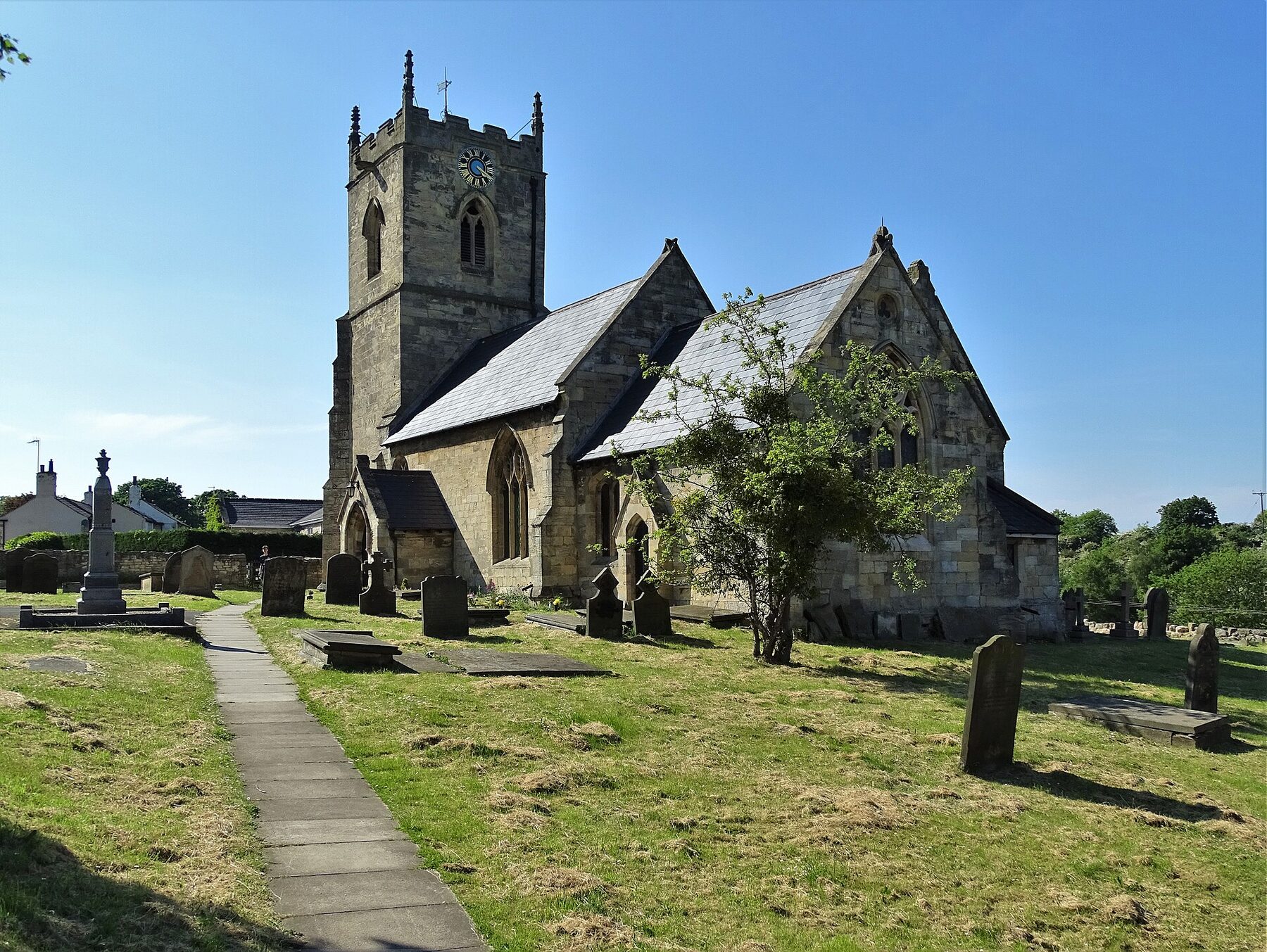
He died at Austhorpe on 28 October 1792, after a stroke in his garden, and is buried beneath the chancel of St Mary's, Whitkirk, under a tablet erected by his two surviving daughters. A memorial to him was unveiled in Westminster Abbey in 1994. The John Smeaton Viaduct on the Leeds ring road and John Smeaton Academy are named after him. Dad grew up a few miles away in Leeds 7.
A man whom God had endowed with the most extraordinary abilities, which he indefatigably exerted for the benefit of mankind in works of science and philosophical research.From his memorial tablet in Whitkirk churchSources: Wikipedia: John Smeaton, Westminster Abbey, Grace's Guide, Records of the Parish of Whitkirk (1892), Smeatonian Society
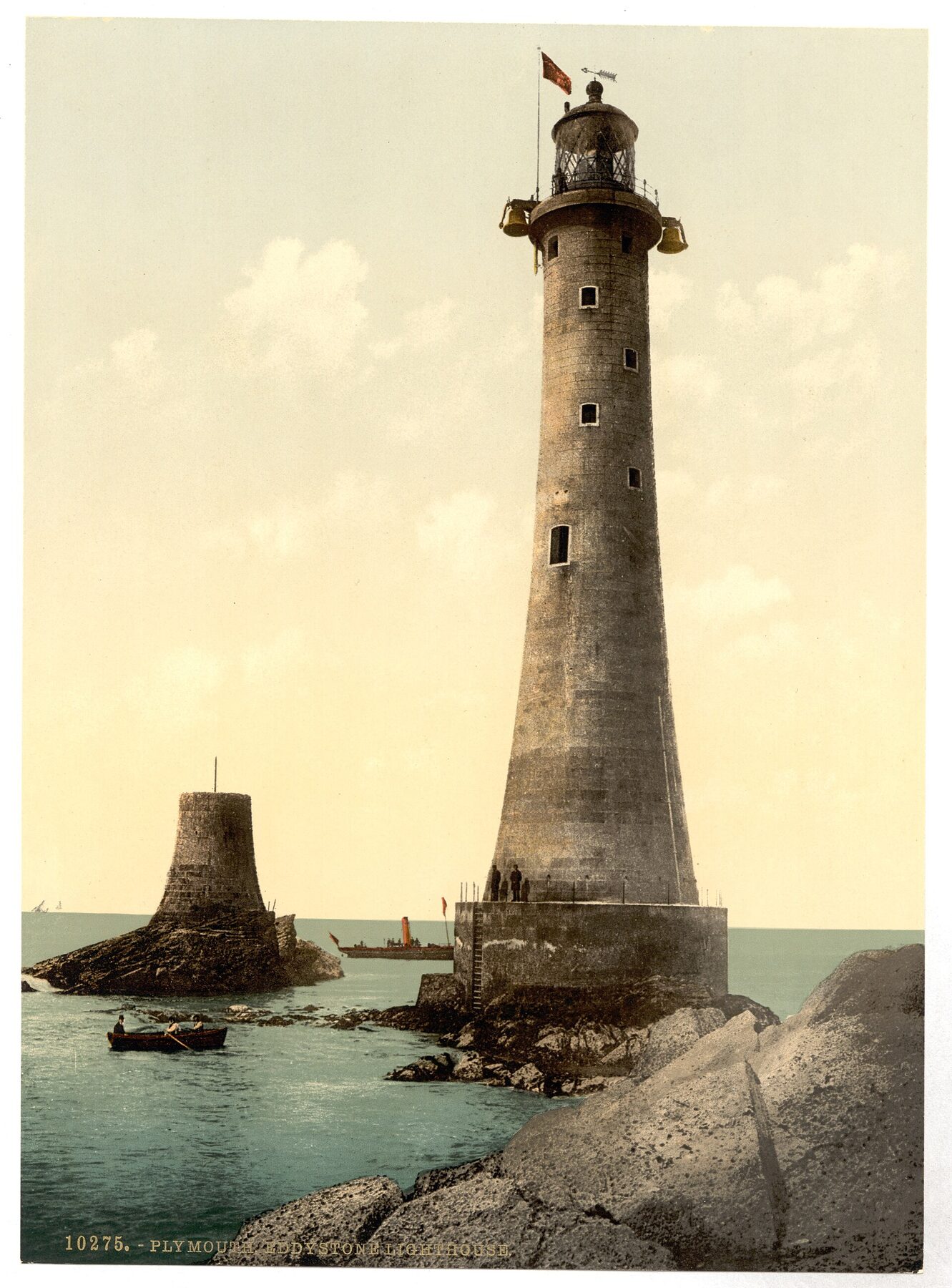
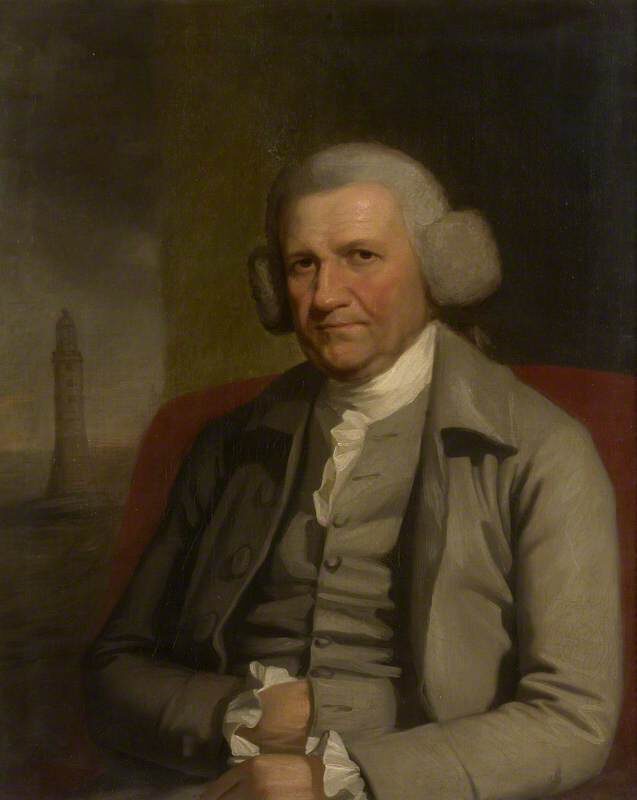
The lighthouse was modelled on the trunk of an oak tree: wide at the base, curving in as it rose, 72 feet tall. The foundation stone was laid on 12 June 1756 and the lamp first lit on 16 October 1759. Smeaton's rediscovery of hydraulic lime, which sets under water, is the ancestor of modern concrete.
When the tower was re-erected on Plymouth Hoe in 1884 it became the city's emblem. It is Grade I listed, painted in red and white bands, and you can climb it. Smeaton's Tower is on the family's list of places to visit.
Sources: Wikipedia: Smeaton's Tower, Heritage Calling
Mark Smeaton was a musician: lute, virginals, viol and organ. He is thought to have been the son of a carpenter and a seamstress, possibly of Flemish origin, and he rose through Cardinal Wolsey's choir to the Chapel Royal and then to Henry VIII's privy chamber. By the 1530s he was playing in the household of Queen Anne Boleyn.
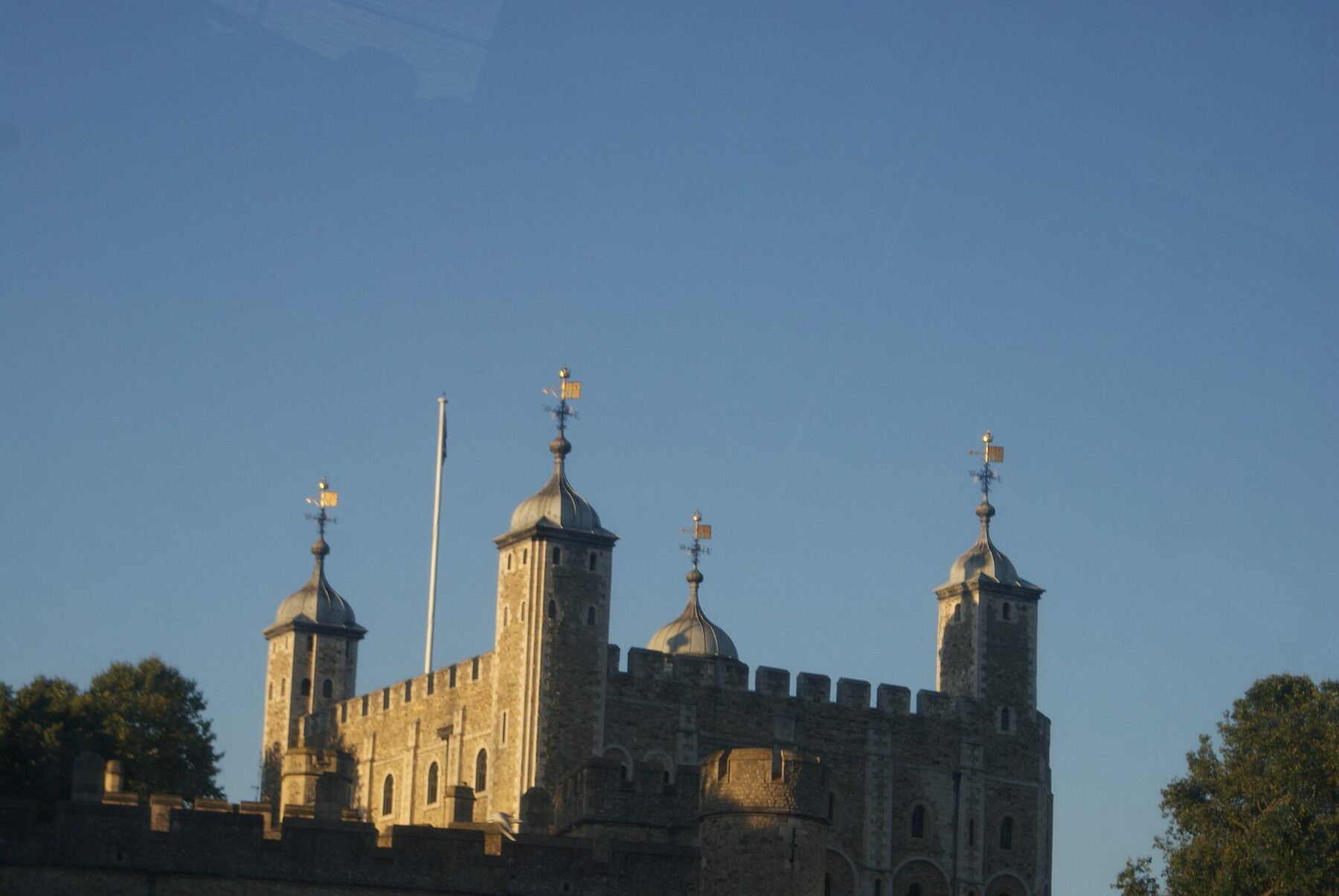
On 30 April 1536 Thomas Cromwell had him brought to his house at Stepney and questioned. By six o'clock the next evening he was in the Tower. Smeaton confessed to being the queen's lover and named four gentlemen alongside him. The Spanish Chronicle says he was tortured with a knotted cord around his head; other accounts say he was tricked into signing. Historians still disagree. He was the only commoner among the five men condemned with Anne, and the only one who never withdrew his confession.
He was beheaded on Tower Hill on 17 May 1536, two days before the queen, and buried beside the Chapel of St Peter ad Vincula in the Tower. He has been played on screen in Anne of the Thousand Days, The Six Wives of Henry VIII, The Tudors and Wolf Hall, and he is a role in Donizetti's opera Anna Bolena. Whether he was Anne's lover, a frightened young man who said what Cromwell wanted, or both, nobody knows.
Sources: Wikipedia: Mark Smeaton
Thomas Smeaton (1536–1583), Reformation minister and Principal of Glasgow University. George Smeaton (1814–1889), theologian and a founder of the Free Church of Scotland. Donald Mackenzie Smeaton (1848–1910), colonial administrator and Liberal MP for Stirlingshire. Thomas Hyland Smeaton (1857–1927), trade unionist and South Australian politician. Bill Smeaton, Mayor of Niagara Falls, Ontario, from 1983 to 1991. And John Smeaton of Glasgow Airport, the baggage handler who helped stop the 2007 terrorist attack and was awarded the Queen's Gallantry Medal: ‘This is Glasgow. We'll just set aboot ye.’
Sources: Wikipedia: Smeaton (surname), History of Parliament, Wikipedia: John Smeaton (born 1976)Almost certainly not by name. John Smeaton married Ann Jenkinson of York in 1756 and had three daughters: Ann, Mary, and Hannah, who died at eleven. There was no son, so the Smeaton name of the Austhorpe line ended in 1792. Ann married John Brooke and the Brookes lived on at Austhorpe Lodge; a descendant of theirs laid the wreath at the Westminster Abbey memorial in 1994. Mary married into the Dixons of Gledhow Hall and seems to have had no children.
What the parish records do show is that there were other Smeatons around Whitkirk, Austhorpe and Swillington from at least the 1680s, cousins and collateral lines of the engineer's family. Dad's parents, Albert and Lillian, lived in Sedan Place, Leeds 7, three miles from Austhorpe. Whether our line runs back to those east Leeds Smeatons is an open question, and a good project for someone with an Ancestry subscription and a wet weekend.
Sources: Westminster Abbey, Royal Society catalogue, Records of the Parish of Whitkirk
Seven places share the name. Four are in Yorkshire, an hour from where Dad grew up, and three are in Scotland, where the surname is commonest today.
Two trees, as far back as we can honestly go. Dad's side comes from his memoir; Mum's side from the chart Glen drew up. Corrections and additions welcome.